 First 5 Notes
Baritone (Treble Clef) Fingering Chart
Every note from low F-sharp to high G (written F♯3 to G5). 26 notes, each with its staff notation and its fingering. Free to view, no sign-in.
3-valve euphonium uses the same written fingerings.
New players: start with the five notes marked First 5.
Notes are shown as written for baritone (treble clef). B♭ treble-clef notation: sounds a major 9th lower than written.
Every note from low F-sharp to high G (written F♯3 to G5). 26 notes, each with its staff notation and its fingering. Free to view, no sign-in. Notes are shown as written for baritone (treble clef). B♭ treble-clef notation: sounds a major 9th lower than written.
Teachers: you may print and copy this chart for your students.
Pick any note, play it, and the page tells you if you got it. Nothing is recorded.
How to read the chart
- A filled circle means press that valve. An open circle means leave it up.
- Notes marked First 5 are the five the learning path starts with.
A filled circle means press that valve. An open circle means leave it up. Notes marked First 5 are the five the learning path starts with.
Baritone (Treble Clef) notes, low to high
F♯3
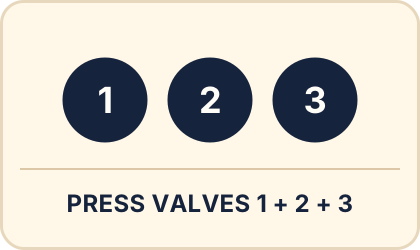

Valves 1 + 2 + 3
Sounds concert E2.
F-sharp 3. Also written G♭3 (G-flat 3).
Check itStep by step
- Press all three valves - the lowest standard note.
G3
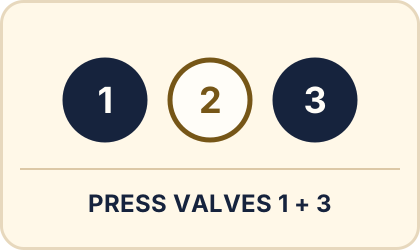

Valves 1 + 3
Sounds concert F2.
Check itStep by step
- Press the first and third valves.
A♭3
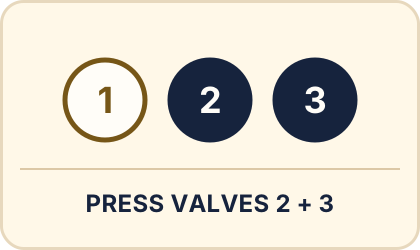

Valves 2 + 3
Sounds concert G♭2.
A-flat 3. Also written G♯3 (G-sharp 3).
Check itStep by step
- Press the second and third valves.
A3
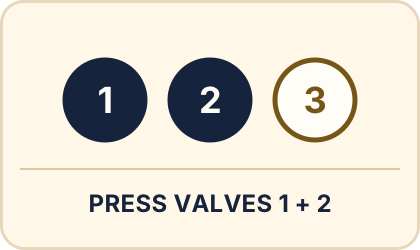

Valves 1 + 2
Sounds concert G2.
Check itStep by step
- Press the first and second valves.
B♭3
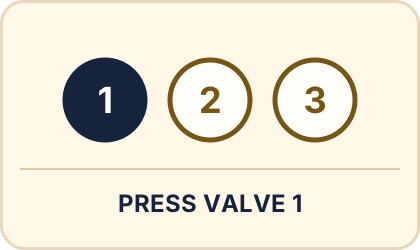

Valve 1
Sounds concert A♭2.
B-flat 3. Also written A♯3 (A-sharp 3).
Check itStep by step
- Press the first valve.
B3
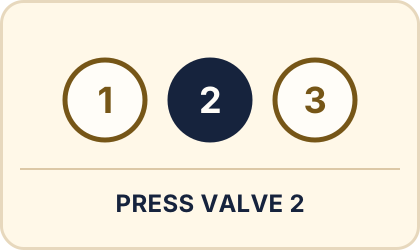

Valve 2
Sounds concert A2.
Check itStep by step
- Press the second valve.
C4
First 5
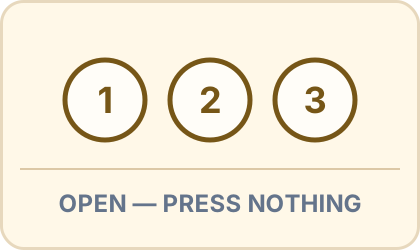

Open (no valves)
Sounds concert B♭2.
Check itStep by step
- No valves pressed. Relaxed, low buzz.
C♯4
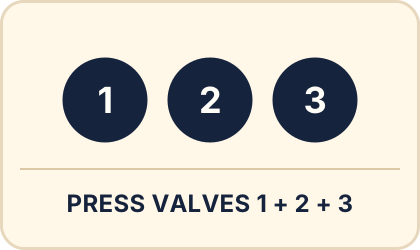
Valves 1 + 2 + 3
Sounds concert B2.
C-sharp 4. Also written D♭4 (D-flat 4).
Check itStep by step
- Press all three valves - naturally sharp, listen carefully.
D4
First 5
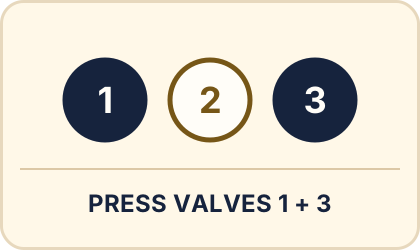
Valves 1 + 3
Sounds concert C3.
Check itStep by step
- Press the first and third valves.
E♭4
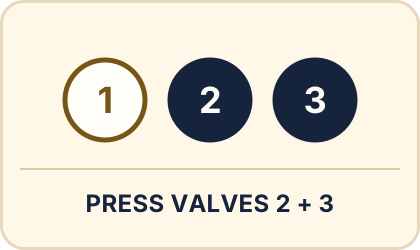
Valves 2 + 3
Sounds concert D♭3.
E-flat 4. Also written D♯4 (D-sharp 4).
Check itStep by step
- Press the second and third valves.
E4
First 5
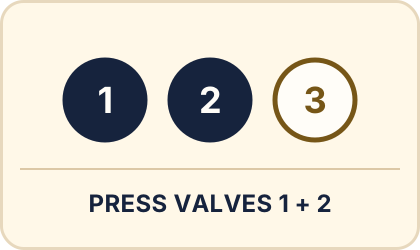
Valves 1 + 2
Sounds concert D3.
Check itStep by step
- Press the first and second valves.
F4
First 5
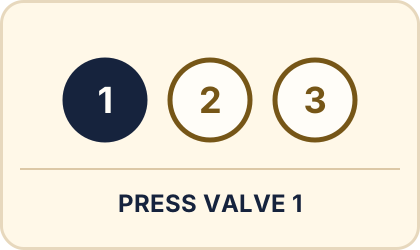
Valve 1
Sounds concert E♭3.
Check itStep by step
- Press the first valve only.
F♯4
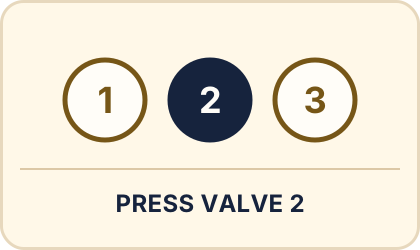
Valve 2
Sounds concert E3.
F-sharp 4. Also written G♭4 (G-flat 4).
Check itStep by step
- Press the second valve.
G4
First 5
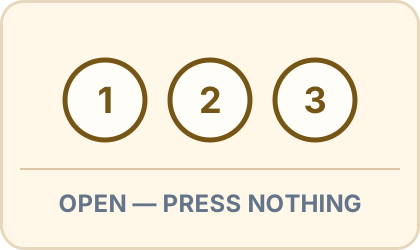
Open (no valves)
Sounds concert F3.
Check itStep by step
- No valves pressed - faster air than low C.
A♭4
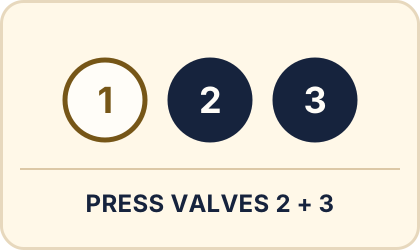
Valves 2 + 3
Sounds concert G♭3.
A-flat 4. Also written G♯4 (G-sharp 4).
Check itStep by step
- Press the second and third valves.
A4
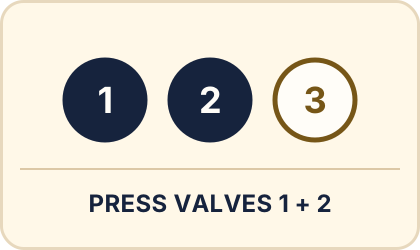
Valves 1 + 2
Sounds concert G3.
Check itStep by step
- Press the first and second valves.
B♭4
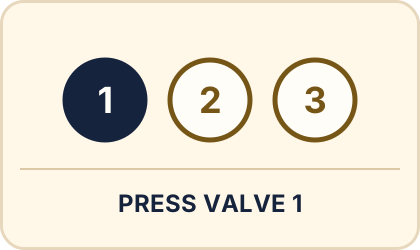
Valve 1
Sounds concert A♭3.
B-flat 4. Also written A♯4 (A-sharp 4).
Check itStep by step
- Press the first valve.
B4
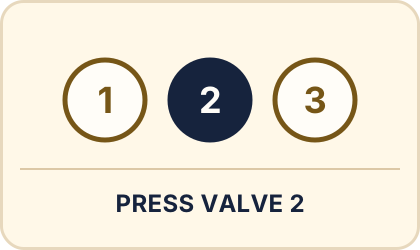
Valve 2
Sounds concert A3.
Check itStep by step
- Press the second valve.
C5
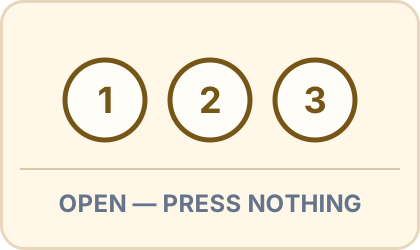
Open (no valves)
Sounds concert B♭3.
Check itStep by step
- No valves - firmer air than low C.
C♯5
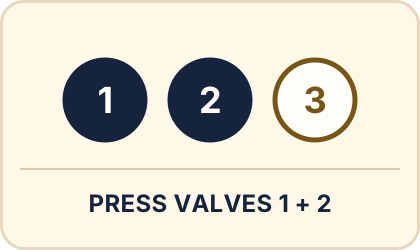
Valves 1 + 2
Sounds concert B3.
C-sharp 5. Also written D♭5 (D-flat 5).
Check itStep by step
- Press the first and second valves.
D5
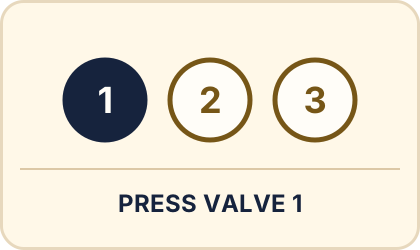
Valve 1
Sounds concert C4.
Check itStep by step
- Press the first valve.
E♭5
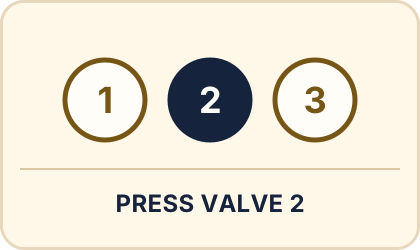
Valve 2
Sounds concert D♭4.
E-flat 5. Also written D♯5 (D-sharp 5).
Check itStep by step
- Press the second valve.
E5
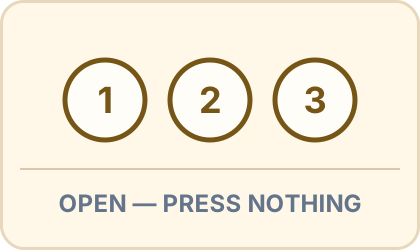
Open (no valves)
Sounds concert D4.
Check itStep by step
- No valves - E sits on the open partial.
F5
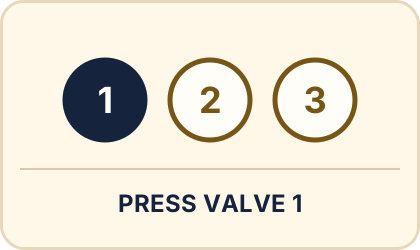
Valve 1
Sounds concert E♭4.
Check itStep by step
- Press the first valve.
F♯5
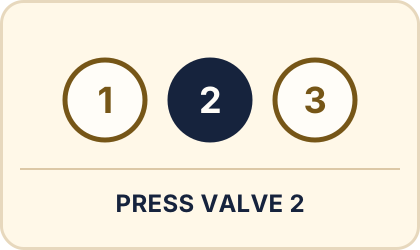
Valve 2
Sounds concert E4.
F-sharp 5. Also written G♭5 (G-flat 5).
Check itStep by step
- Press the second valve.
G5
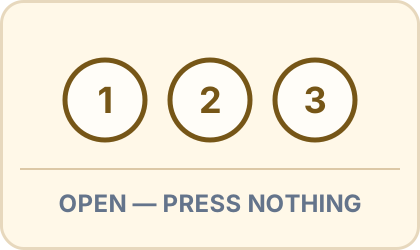
Open (no valves)
Sounds concert F4.
Check itStep by step
- No valves - fast, focused air.
Practice these notes
The baritone (treble clef) learning path takes these notes a few at a time: name the note, find the fingering, then play it into the microphone. The first five notes are free to practice, with no account. The microphone only listens while you play, and nothing is recorded.
Start the baritone (treble clef) learning pathMore charts
- Alto Saxophone fingering chart
- Baritone (Bass Clef) fingering chart
- Baritone Saxophone fingering chart
- Bass Clarinet fingering chart
- Bassoon fingering chart
- Bells (Low Octave) note chart
- Bells note chart
- Clarinet fingering chart
- Flute fingering chart
- French Horn fingering chart
- Oboe fingering chart
- Tenor Saxophone fingering chart
- Trombone slide position chart
- Trumpet fingering chart
- Tuba fingering chart